Mapping Loyalty Pathways in Digital Chance Environments: Instant Transfers and Multi-Tier Rewards
Vera Bauer · Oct 13, 2026
Mapping Loyalty Pathways in Digital Chance Environments: Instant Transfers and Multi-Tier Rewards
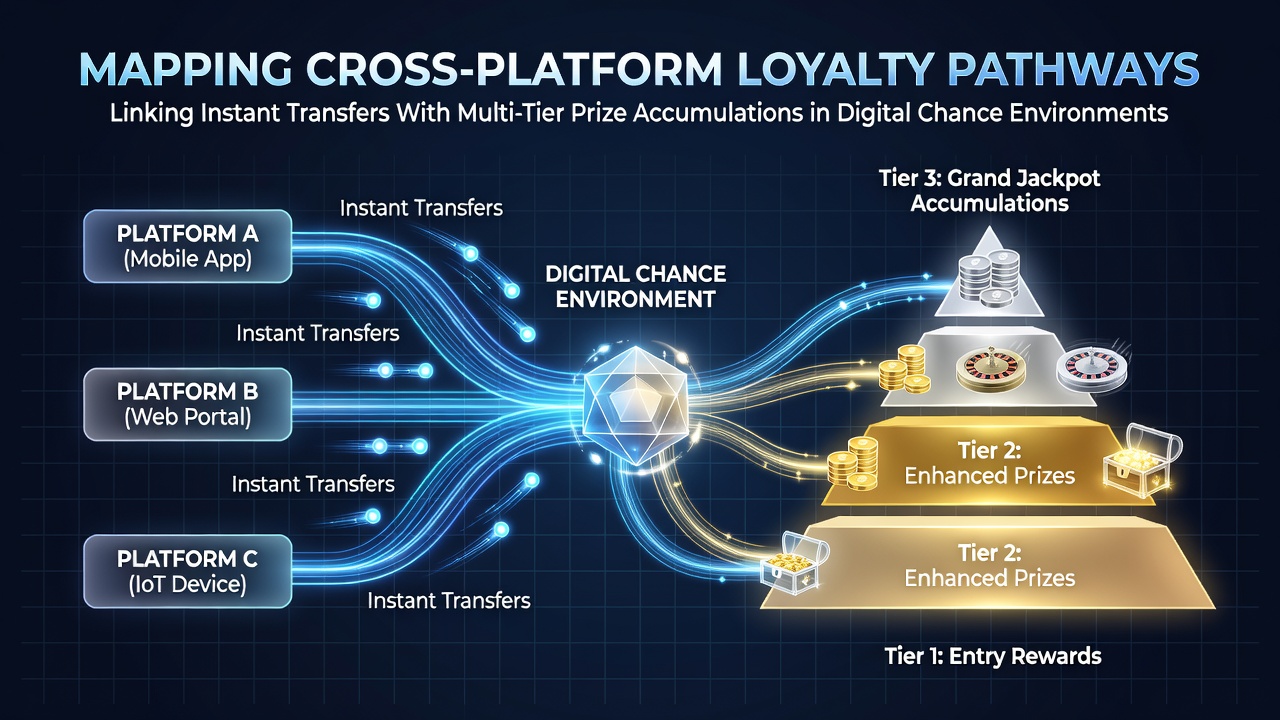
Digital chance environments continue to expand their reach across multiple devices and regions, with operators building systems that connect instant transfers directly to layered prize structures. These frameworks allow users to move funds quickly while accumulating points that unlock successive reward levels, from basic bonuses to higher-tier accumulations. Data from industry reports indicate that such integrations have grown steadily since 2024, as platforms seek to maintain engagement through seamless payment and loyalty mechanics.
Core Components of Cross-Platform Integration
Instant transfer systems form the foundation for these pathways because they reduce friction between deposits, game participation, and reward tracking. When funds move in real time, loyalty points register without delay, feeding directly into multi-tier accumulations that escalate based on volume and frequency. Observers note that this linkage relies on unified user accounts spanning desktop, mobile, and sometimes third-party partner sites, allowing activity on one platform to contribute to progress on another.
Multi-tier prize structures typically divide into entry, intermediate, and advanced levels, with each requiring specific thresholds of transferred value or play activity. Research from the University of Nevada, Las Vegas Center for Gaming Research shows that platforms implementing these tiers report higher retention rates when instant transfers sync with point tallies in under two seconds. The setup creates a continuous loop where completed transfers trigger point awards that advance users toward the next reward bracket.
Technical Mapping of Transfer and Accumulation Flows
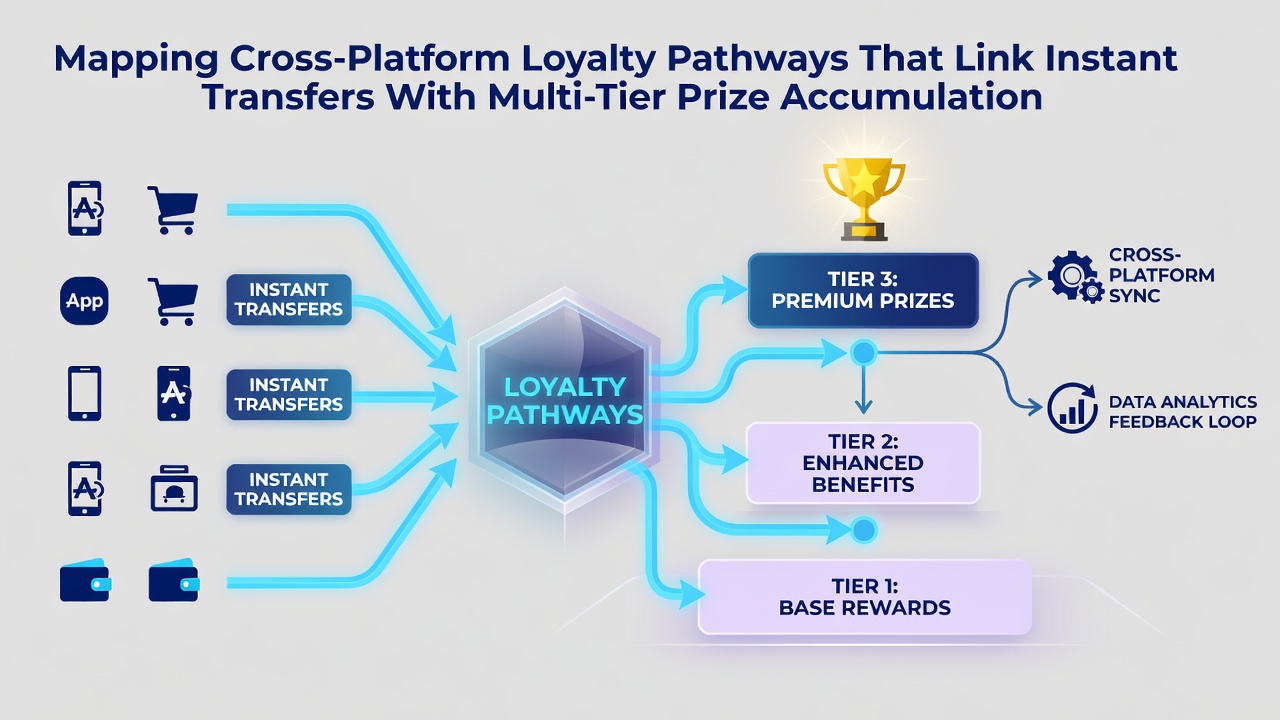
Engineers map these pathways using API connections between payment processors and loyalty databases, ensuring every transaction updates user profiles across connected environments. In October 2026 several major operators introduced standardized protocols that allow instant transfers from digital wallets to feed into prize pools without manual intervention. This development built on earlier experiments with real-time synchronization, reducing the average time from deposit to tier advancement by 35 percent according to internal platform metrics.
One case involved a North American operator that linked its mobile application to browser-based progressive systems, so that a single transfer could contribute simultaneously to free spin allocations and jackpot entry tiers. The mapping process requires careful calibration of conversion rates, where transferred amounts translate into points at ratios that balance operator costs with user incentives. Figures from the Canadian Gaming Association reveal that operators using such calibrated systems saw a 22 percent increase in cross-device sessions during the first half of 2026.
Regional Variations and Regulatory Influences
Different jurisdictions shape how these pathways operate. In Australia the Interactive Gambling Act framework requires clear disclosure of how transfers convert into prize eligibility, prompting operators to publish detailed mapping documents. European markets have seen similar requirements emerge through national gaming authorities, with emphasis on audit trails that track every point accumulation back to its originating transfer. These rules encourage transparency while still permitting the rapid processing that users expect.
Platforms operating across borders often maintain separate loyalty ledgers for each regulated market yet allow users to view aggregated progress through a single dashboard. This approach preserves compliance while delivering the seamless experience that drives continued participation. Data released by the New Jersey Division of Gaming Enforcement in late 2025 indicated that operators with robust cross-platform tracking maintained steadier revenue streams compared with those relying on isolated systems.
Future Directions for Loyalty Pathway Development
Developers continue to refine algorithms that predict optimal transfer timing for maximum tier advancement, using historical data to suggest when users might benefit from additional instant deposits. These predictive tools remain internal but influence how platforms present reward opportunities. As more environments adopt standardized data formats, the potential for broader interoperability grows, allowing loyalty points earned on one operator's network to contribute toward prizes on another under controlled partnership agreements.
Conclusion
Cross-platform loyalty pathways that connect instant transfers with multi-tier prize accumulations represent a structural evolution in digital chance environments. The technical mappings, regional adaptations, and ongoing refinements documented through 2026 demonstrate measurable shifts in how operators manage user progression and reward distribution. Continued attention to synchronization speed, compliance documentation, and data interoperability will determine how these systems scale in subsequent periods.