Loyalty Networks Unpacked: Mobile Interfaces Coordinating Tiered Rewards with Live Hybrid Mechanics
Leon Hartmann · Sep 15, 2026
Loyalty Networks Unpacked: Mobile Interfaces Coordinating Tiered Rewards with Live Hybrid Mechanics
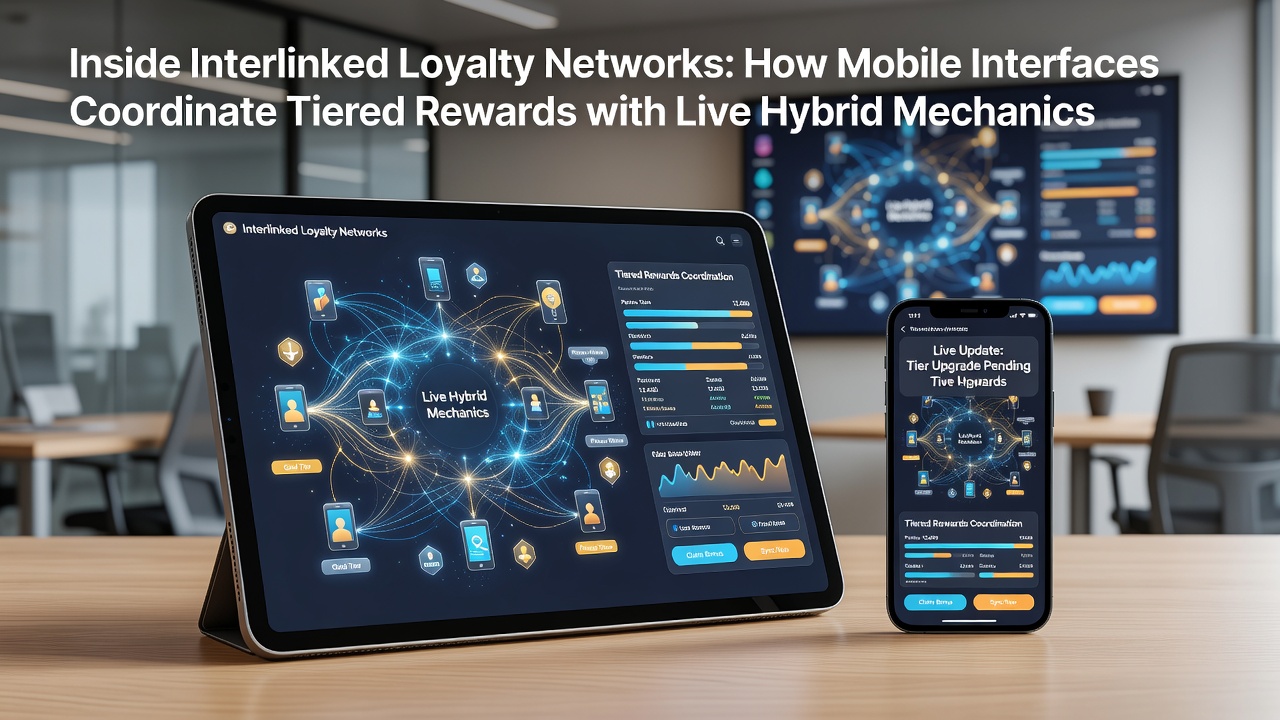
Interlinked loyalty networks have grown into structured systems where mobile interfaces serve as the central point for managing tiered rewards alongside live hybrid mechanics, and operators track player activity across multiple game formats through real-time data synchronization. These networks connect player profiles to reward levels that adjust based on engagement metrics such as session duration, wager volume, and participation in live dealer sessions integrated with slot elements.
Core Components of Mobile Loyalty Interfaces
Mobile platforms use application programming interfaces to link loyalty databases with game servers so that tier progression happens automatically when players meet predefined thresholds, while hybrid mechanics blend live video feeds with automated reel spins and bonus triggers. Data from platform logs shows that such coordination reduces manual intervention and allows reward points to accumulate across both live table games and digital slot sessions without separate tracking systems.
Interfaces display tier status through color-coded progress bars and notification panels that update during active play, and players see how current activity contributes to the next reward level through combined metrics from live and automated components. In September 2026 several major operators reported expanded use of these synchronized displays following backend upgrades that improved latency between live streams and loyalty calculations.
Tiered Rewards Structure and Live Integration
Tiered systems typically include entry, intermediate, and premium levels where each stage unlocks additional features such as enhanced free spin multipliers or priority access to live dealer tables, and mobile interfaces calculate eligibility by aggregating points from both hybrid game rounds and standard play. Live hybrid mechanics incorporate real-time elements like shared progressive jackpots that draw contributions from multiple player pools while feeding data back into individual loyalty profiles for tier advancement.
According to figures released by the American Gaming Association, integrated loyalty tracking across hybrid formats accounted for measurable increases in average session length during the first half of 2026. Operators implement these structures through centralized servers that push updates to mobile apps within seconds of activity completion, ensuring reward balances reflect the most recent live and automated contributions.
Technical Coordination Mechanisms
Backend coordination relies on event-driven architectures that trigger loyalty updates whenever a hybrid mechanic activates, such as a live dealer bonus round that also increments a progressive meter visible on the mobile screen. Application layers handle authentication and data encryption so player accounts remain secure while interfaces pull real-time information from both gaming engines and loyalty databases.
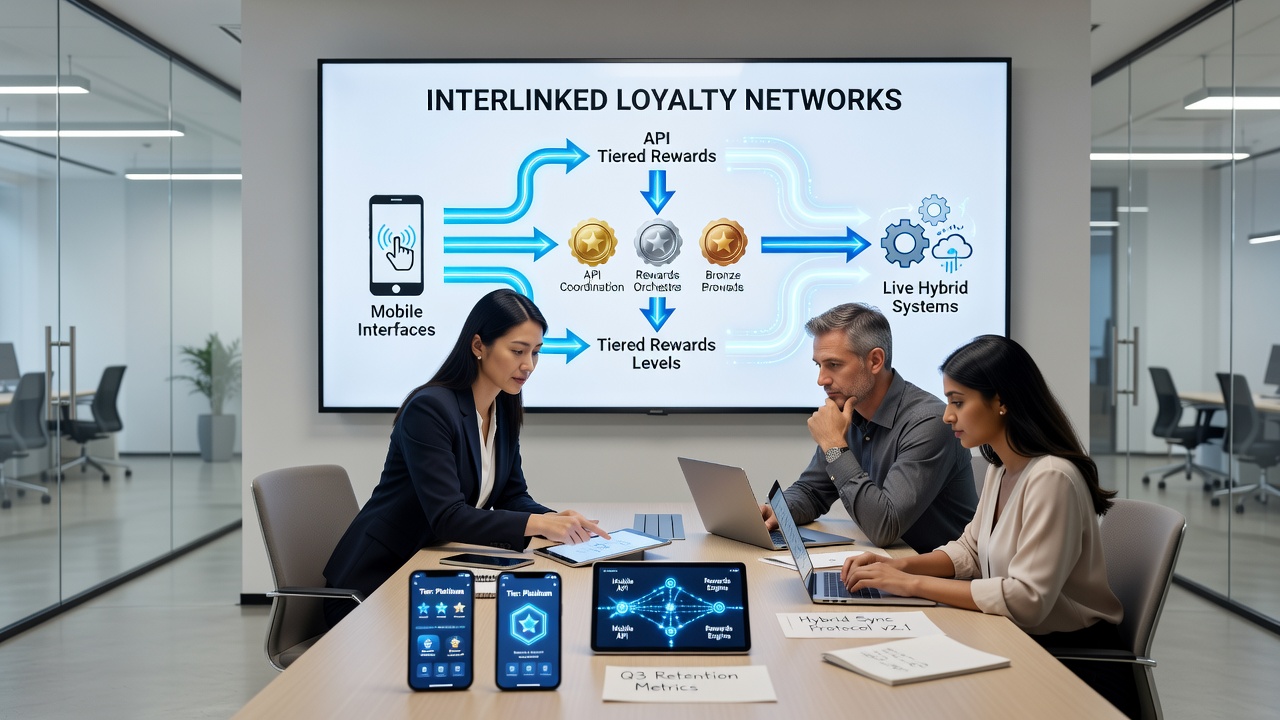
Developers design these systems to handle concurrent data streams without lag, and testing protocols confirm that tier status remains consistent across devices even when players switch between live dealer tables and slot-based hybrid modes. Industry reports from the European Gaming and Betting Association note that standardized data exchange protocols have helped operators maintain consistent reward delivery across regional markets.
Player Journey Through Interlinked Systems
A typical player begins at the base tier and accumulates points through standard spins, then enters live hybrid sessions where additional multipliers apply to point earnings, and the mobile interface reflects these gains through animated progress indicators. Notifications alert users when they approach the next tier threshold, while live mechanics continue to feed data that can accelerate advancement during peak activity periods.
Systems log every transaction and game event so operators can audit reward distribution for compliance, and mobile interfaces provide summary views that break down point sources by game type. This level of detail supports transparent tracking while operators adjust tier criteria based on aggregated performance data collected over multiple quarters.
Future Developments in Network Coordination
Upcoming enhancements focus on deeper integration of artificial intelligence for predictive tier recommendations that appear within mobile dashboards, and these tools analyze historical hybrid play patterns to suggest optimal participation sequences. Operators continue to refine synchronization between live feeds and loyalty engines to minimize discrepancies during high-volume events such as tournament-style hybrid promotions.
Research from academic institutions including the University of Nevada, Reno gaming laboratory has examined latency reduction techniques that support smoother reward updates, and findings indicate measurable improvements in system responsiveness when hybrid data pipelines receive priority processing. Mobile interfaces remain the primary touchpoint for these evolving networks as operators expand cross-format reward options.
Conclusion
Interlinked loyalty networks demonstrate how mobile interfaces serve as the operational hub for coordinating tiered rewards with live hybrid mechanics through automated data flows and synchronized displays. The structure supports consistent player progression across game types while maintaining audit trails required for regulatory oversight. Continued technical refinements ensure these systems scale with growing participation in combined live and automated gaming formats.